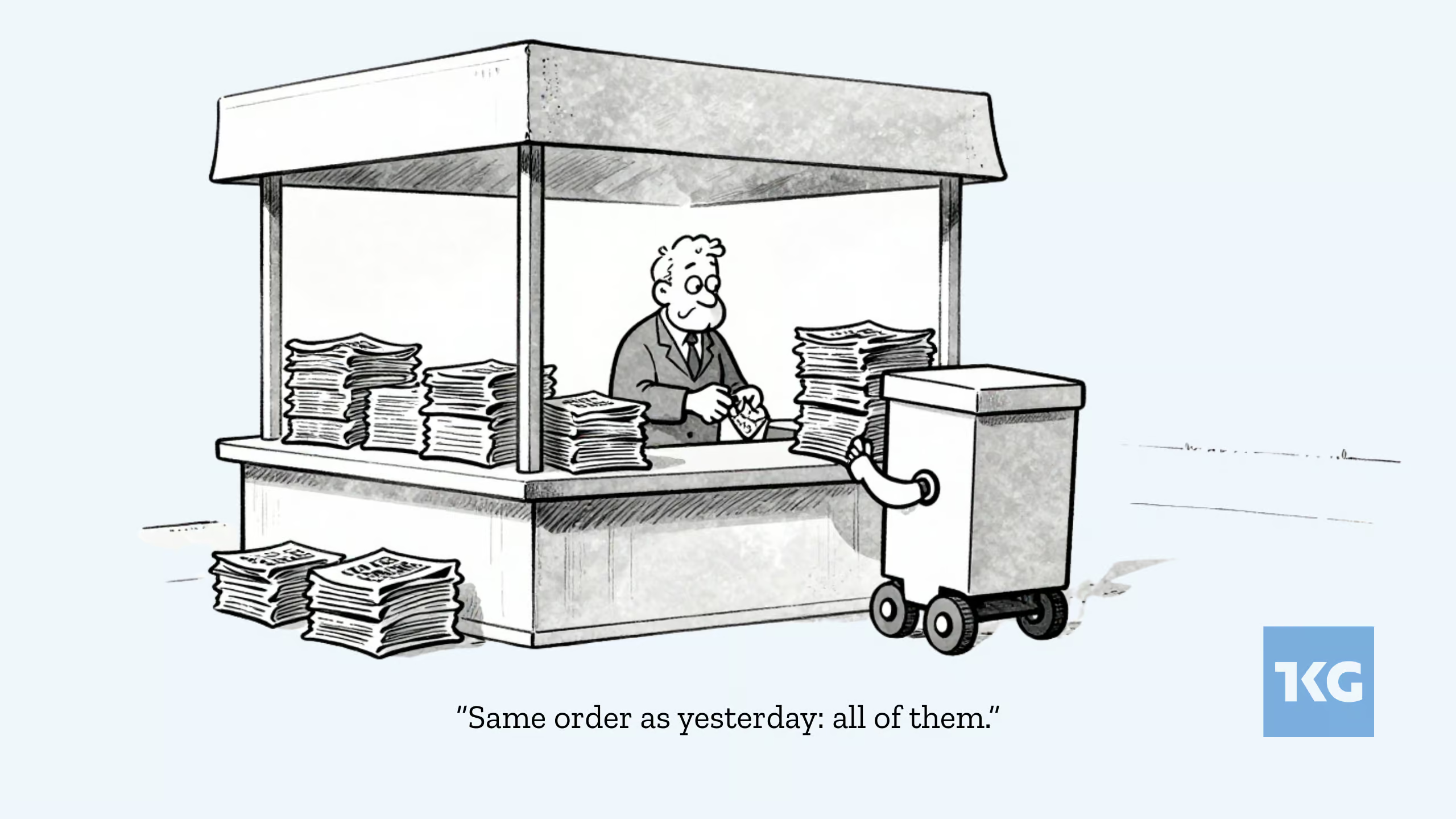
When money gets tight, marketing and communications is often the first budget to feel the pinch. For most, and especially not-for-profits, it should be one of the last.
Faced with rising costs and a flat income, a board scans the expense column for line items that aren’t service delivery. Communications looks like an overhead – a brochure, newsletter, website, or social campaign that can be cut to protect the frontline.
The ACNC’s latest Australian Charities Report released earlier this month shows donations and bequests rose by $5 billion – until you remove a single $4.9 billion gift to one foundation and then donations are essentially flatlining. This, at a time when cost-of-living pressures are increasing demand on the sector.
This giving squeeze isn’t evenly felt. Only 56% of the smallest charities received any donations or bequests; a third of the sector is going without.
In that environment, the supporters you already have are your greatest opportunity. Keeping them, motivating them to give again, to give a little more, or tell someone else why you matter, isn’t an nice-to-have, it’s mission-critical. It’s the difference between surviving the drought and joining those going without.
You hold and grow supporters by communicating with them: clearly, consistently, telling them about the important work you do and how their support makes a difference.
Cutting the marketing and comms line item won’t save money. It cuts the very activity who’s entire purpose is to bring in the money. It’s like a business deciding, in a tough market, that the thing to cut is sales.
If you’re a not-for-profit, now is the very time prioritise your marketing and communications budget, and ensure it is doing its best to keep your supporters engaged. Don’t cut your lifeline.