One in three Australian workers use AI to help them do their job, and they don’t tell anyone.
That’s the headline finding from Employment Hero’s latest research released this week, which surveyed 1,600 Australian employees about their use of AI at work.
Some of the other key findings were:
- 75% of AI users say it improves their productivity.
- 74% of AI users say it improves the quality of their work.
- 42% of AI users say using it “feels like cheating”.
How is it that so many might feel like they’re cheating if they use a tool that improves their productivity and the quality of their work? Isn’t that exactly what an employer should want their employees to do?
A failure of leadership
I think the answer is a failure of leadership to set expectations and empower employees to meet them.
A Gallup survey of 24,000 US workers released earlier this year found that leaders and managers were much more likely to use AI frequently than project managers or other employees.
The same survey found that where a manager actively supports AI use, 78% of employees used it; but where they don’t, just 44% used it. The survey found similar differences where an organisation supports experimenting with AI and has clearly guidelines and policies for using it safely and securely.
Organisations that don’t actively support employees using AI safely and securely are failing their employees and their shareholders.
They are missing out on the productivity and quality gains employees not using AI could have, and they’re also creating security and ethical risks with the employees that are using it secretly without guidance or support.
Haven’t we been here before?
This will all sound very familiar to those old enough to have been in the workforce 20 years ago as first the internet and then social media became widely used.
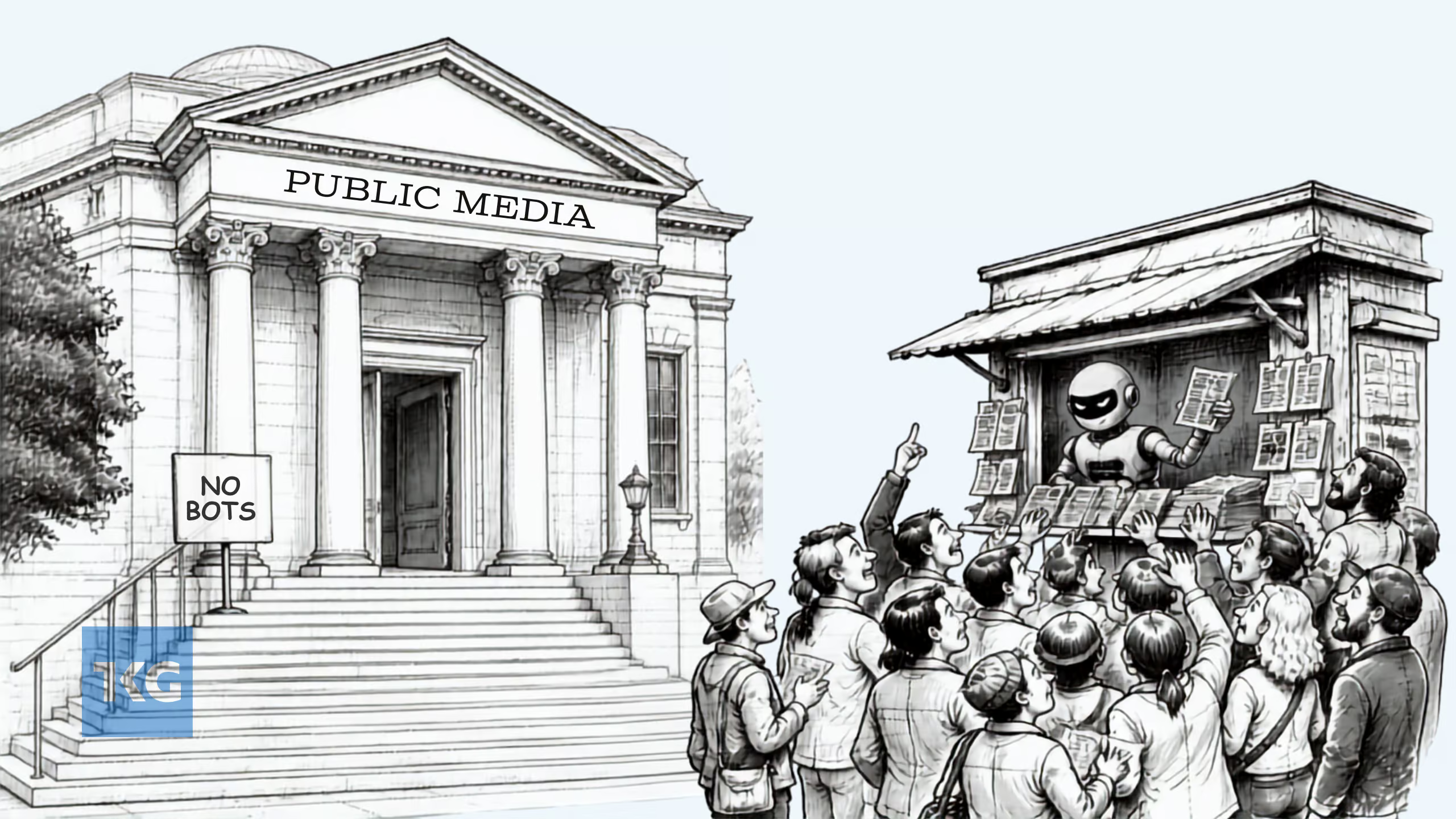
It feels like another world now (it was!), but it was commonplace for employers to prevent or micromanage use of the internet or social media in the workplace and even outside of the workplace.
Many workplaces blocked the Internet on work devices or blocked non-work-related sites. Many had long and detailed “social media policies” preventing employees from using social media at work and sometimes even outside work.
Most employers learned that Internet and social media actually helped employees do their jobs better. And even allowing reasonable personal use at work helped employees be more productive, allowing them to do some life admin from their desk instead of taking a break.
The case for AI is even stronger. It’s a powerful tool for improving productivity and quality.
Unlock, don’t block
The last thing employees need is an AI policy few read and no one follows. (Remember the “social media policy” of the 2000s?)
What employees need is clear leadership, managerial support, clear guidance, and the tools and training to get the most out of AI.
Don’t block AI, unlock it.