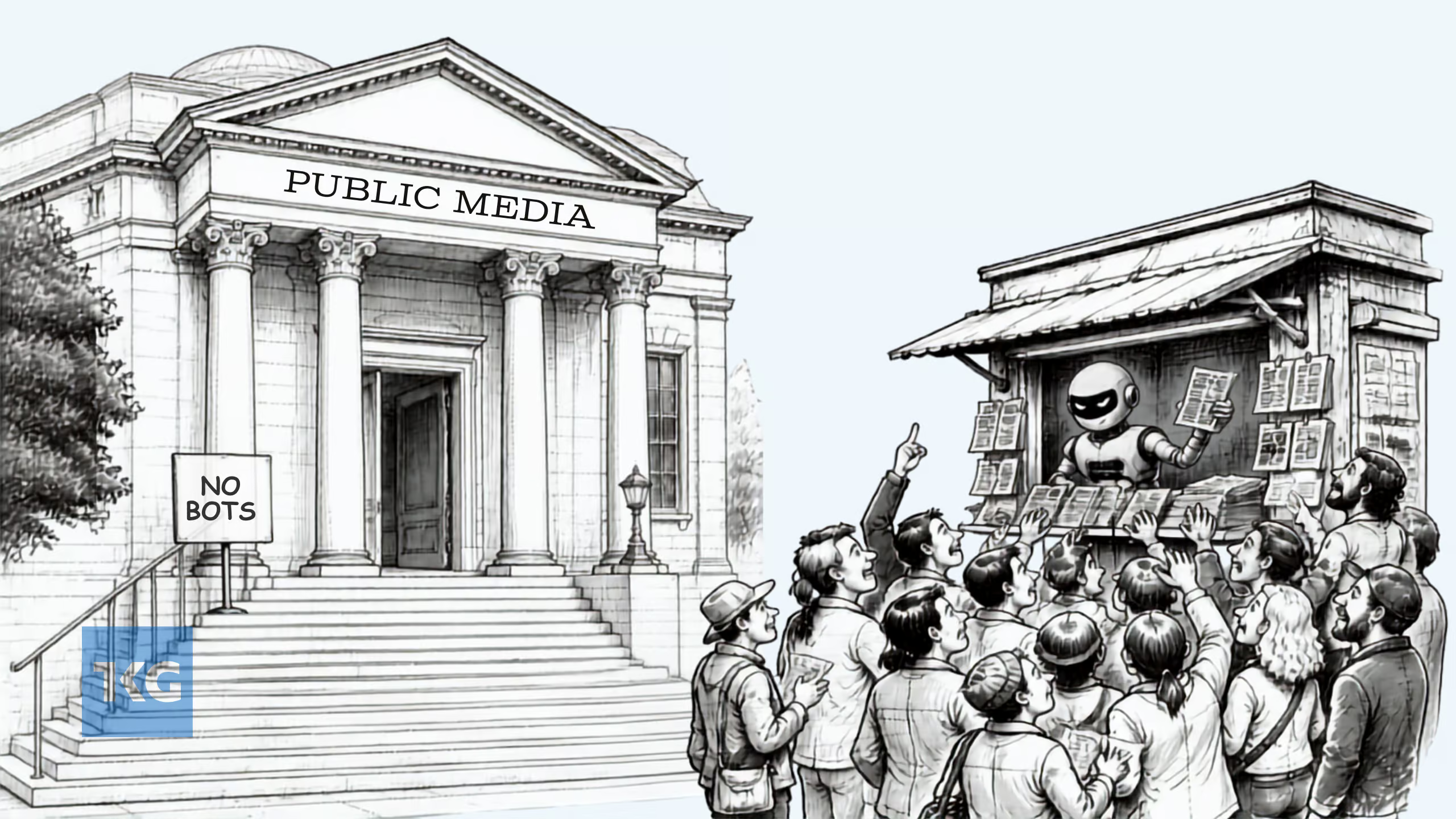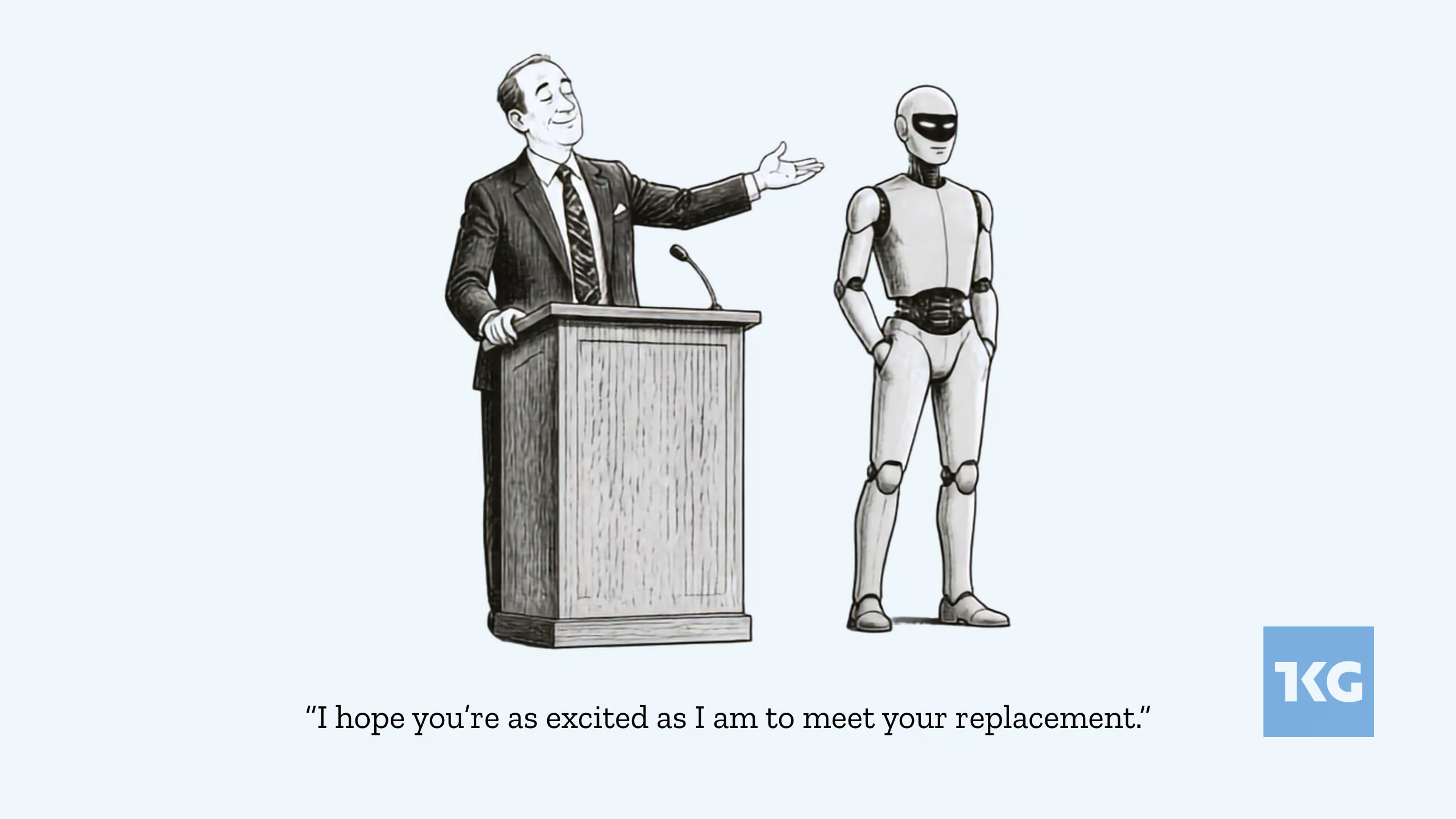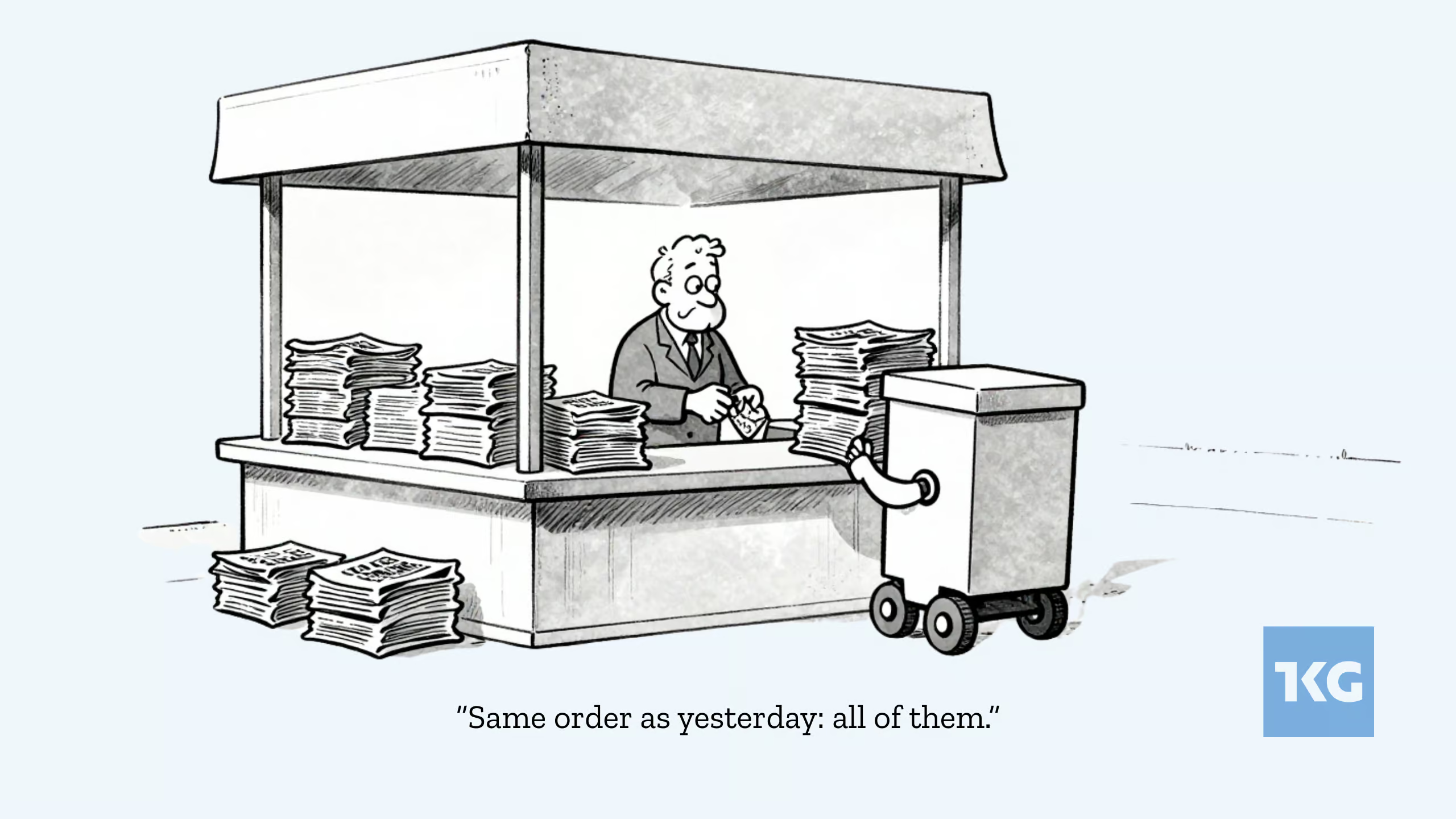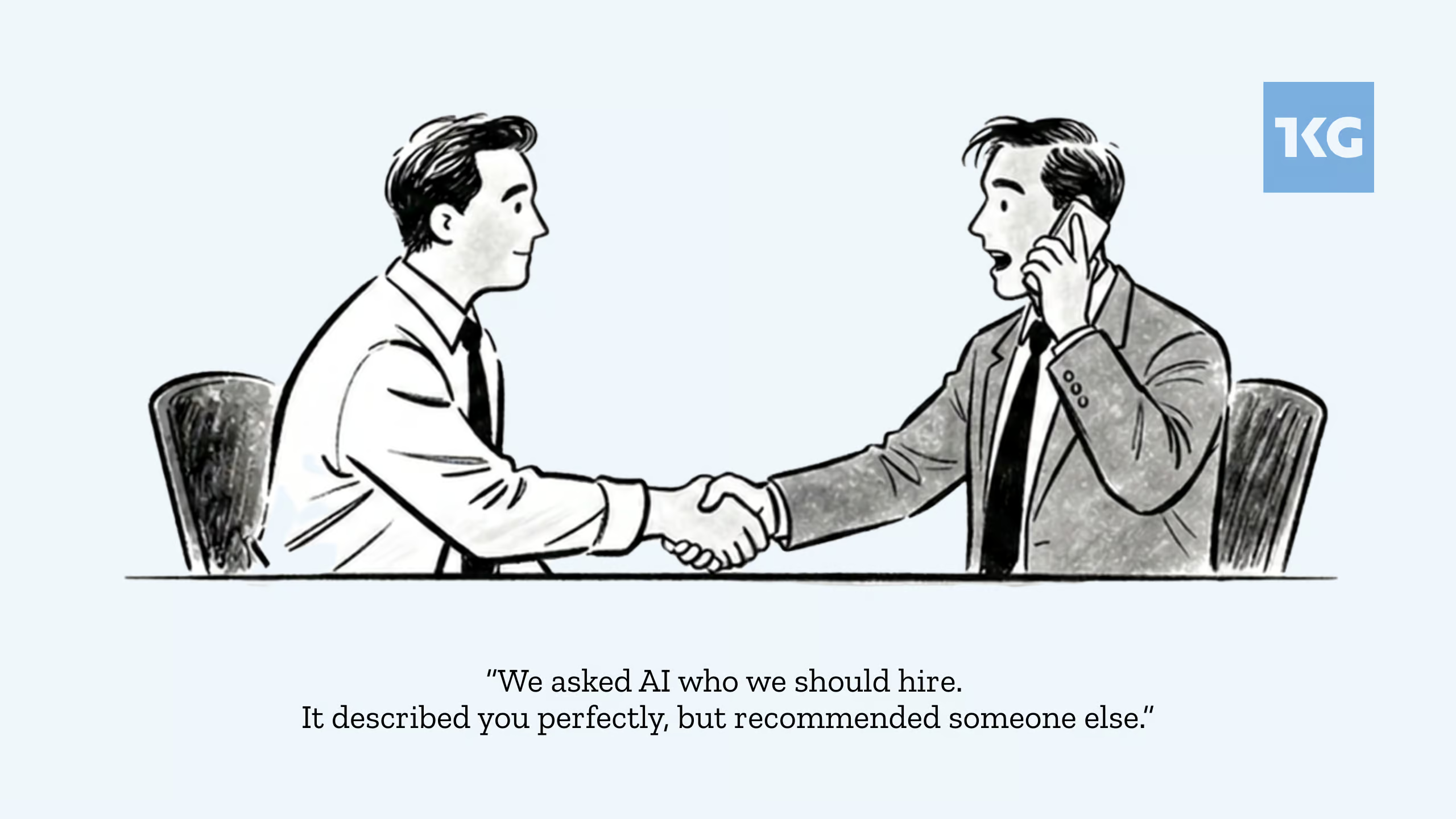
For two centuries, a photograph was the closest thing we had to settled fact. We grew up on the claim: “the camera doesn’t lie”.
That instinct still runs deep. Getty Images research in 2024 found that 98% of consumers said authentic images and video are pivotal to establishing trust. But it also found that 76% said they could no longer tell whether or not an image was real, and that has significant implications.
Generative AI has flipped the script
We now live in a world where anyone can create photos and clips so realistic it’s difficult to tell whether or not they’re real or fake.
A couple of years ago, the ACCC and the National Anti-Scam Centre were chasing fraudsters tricking unsuspecting investors to invest in scams using deepfakes of local celebrities – like billionaire Gina Rinehart, businessman Dick Smith, TV presenter David Koch.
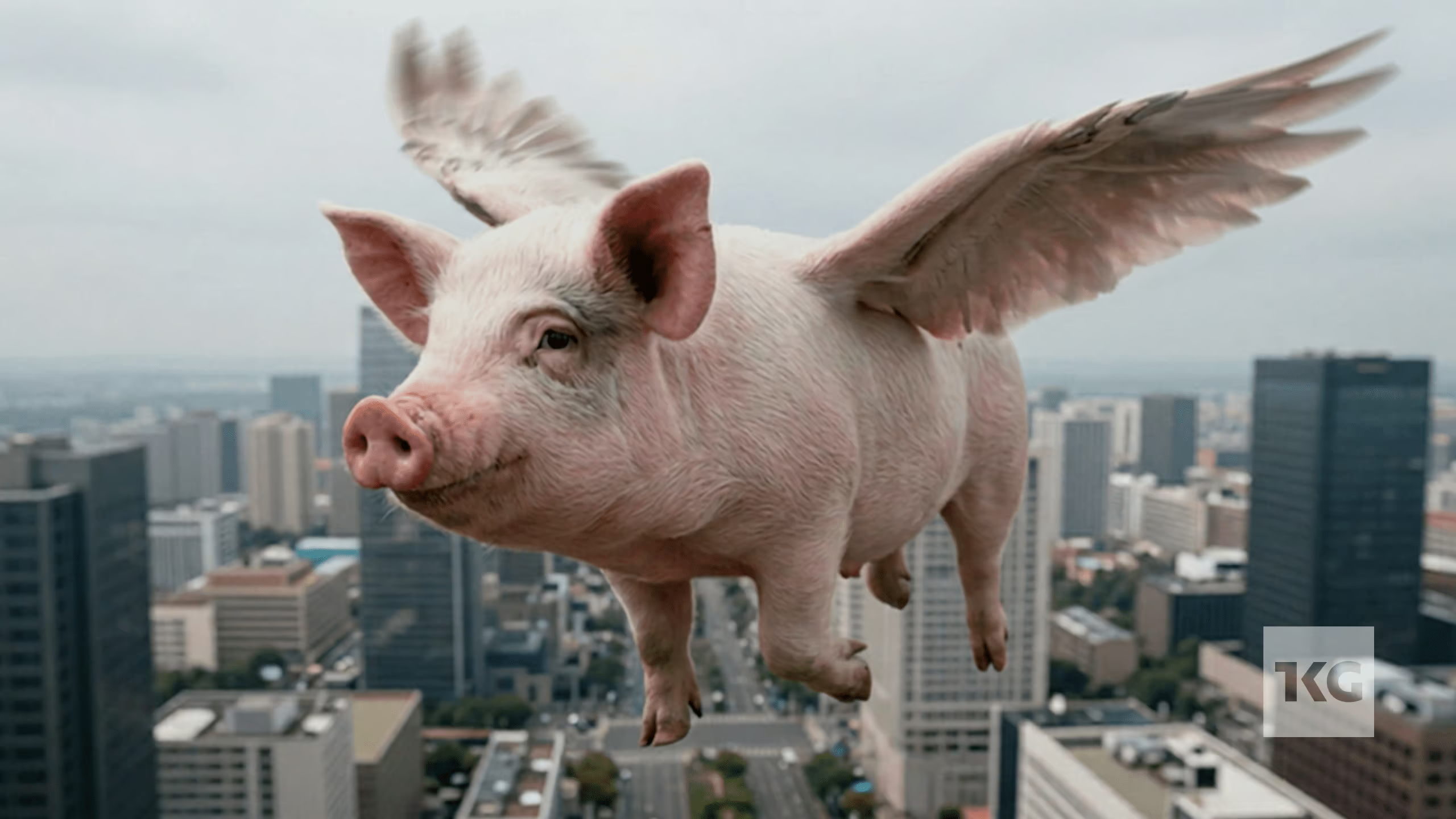
Today, deepfakes are now so commonplace that many today wouldn’t so readily accept a video featuring a celebrity face was real. (I would be surprised if any readers thought this post’s cover image was of a real-life flying pig.)
But if people no longer trust a video of someone saying and doing something as evidence they actually said or did it, every brand and celebrity has an authenticity challenge.
As an aside, we also have a problem that legal scholars Robert Chesney and Danielle Citron call the “liar’s dividend”: if people stop trusting visual evidence, then even real visuals can be denied and dismissed as fake.
In the same way that normalisation of misinformation created our “post truth era”, the normalisation of generated content is creating a “post evidence era”.
Trusting sources, not content
As content becomes trivially fakeable, people are increasingly asking who sent this rather than what is this.
Trusted sources of information – reputable brands, knowledgeable experts, verifiable government sources – have a distinct advantage as they carry an implicit ‘proof by pedigree’.
Rather than blindly believing our eyes, people are increasingly looking at the source of the content to decide whether or not to trust it.
A brand’s reputation as an authentic and trustworthy source is more important than ever before.
New ways of working in a low-trust world
As communicators, we need to adopt new ways of working when viewing and creating content:
- Don’t believe your eyes: Treat every surprising image or clip with healthy skepticism, and expect your audience to do the same.
- Assess the sender, not the signal: Who publishes content will matter more than how polished it looks. If you’re battling misinformation, train your audiences to go to reputable sources.
- Build reputation, not just reach: In a feed full of synthetic content, a consistent track record of accuracy and authenticity becomes a competitive advantage.
- Authenticity trumps quality: A grainy, datestamped clip shot on the scene now carries more weight than a flawless fabrication.
- Embed authenticity: Use digital signatures and transparent provenance tags so viewers can verify the source for themselves. If you share generated content, be transparent about it.
When seeing isn’t believing
In an age of perfect fakes, the one thing you can still believe in is the source behind the screen. Ironically, artificial intelligence is teaching us what we have always known: we can only rely on the humans we trust.