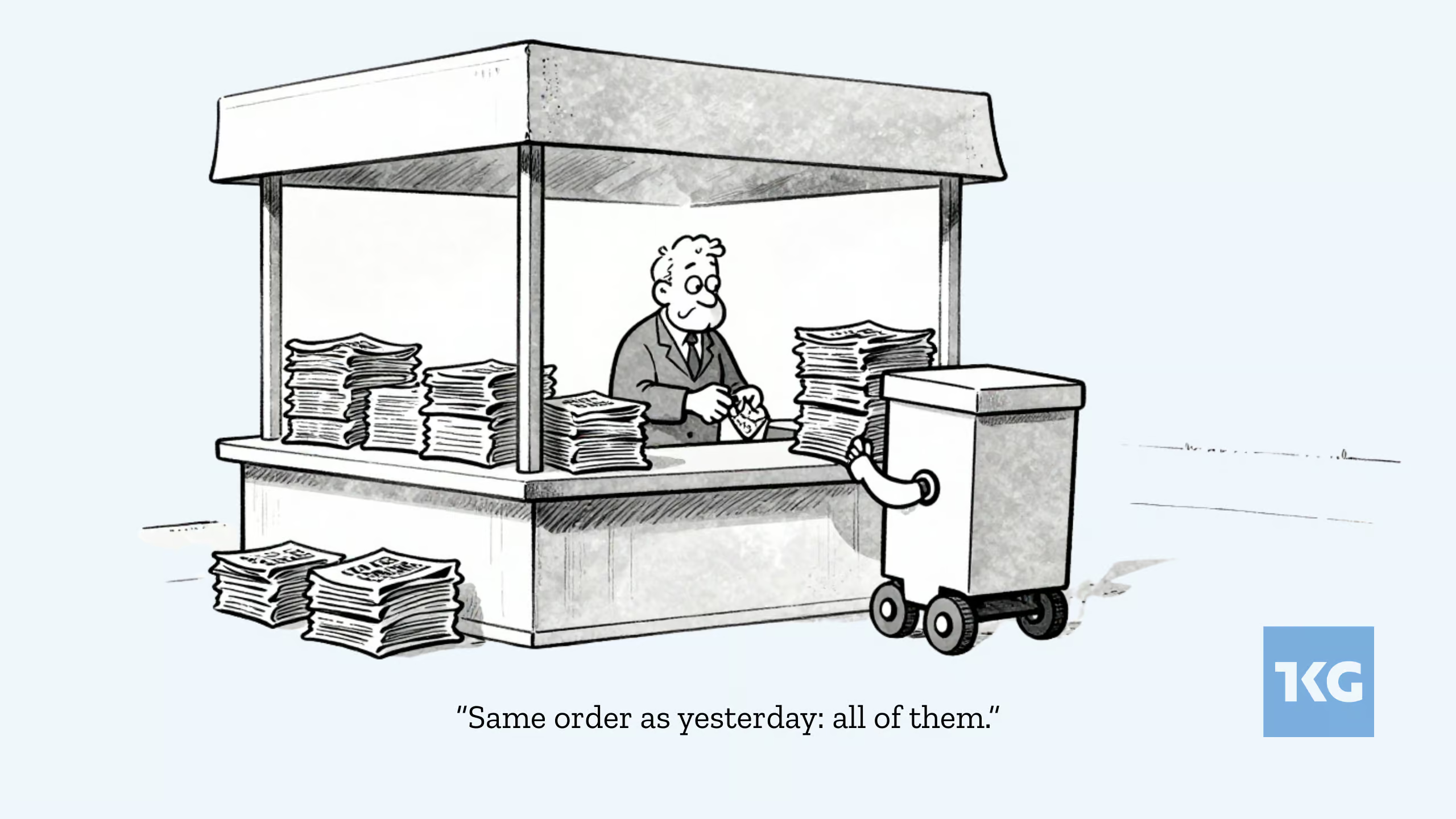
It’s a fair question, and one often asked since the rise of social media.
Mainstream media has been losing its audience for the last twenty years
When I entered the workforce, entry-level comms roles often clipped hardcopy newspapers and taped (or at least listened to) the main radio and TV news bulletins. Those days are long gone.
First, consumption of mainstream media moved online. Then, it moved to social media and video platforms.
This year, it crossed a line. The Reuters Digital News Report 2026 found that for the first time, social media and video platforms are more popular sources of news than mainstream media outlets’ owned channels – globally, not just in a few early adopter markets.
It also found that people are increasingly using AI chatbots for news (now at 10% of people). I’m one of them. My scheduled AI summaries of news on topics I’m following have become an indispensable part of my morning routine along with my first coffee of the day.
Interestingly, the report also found that trust in mainstream media is continuing to decline, but it’s still higher than trust in social media and video platforms where people are choosing to get (and share) their news.
Is AI killing the video star?
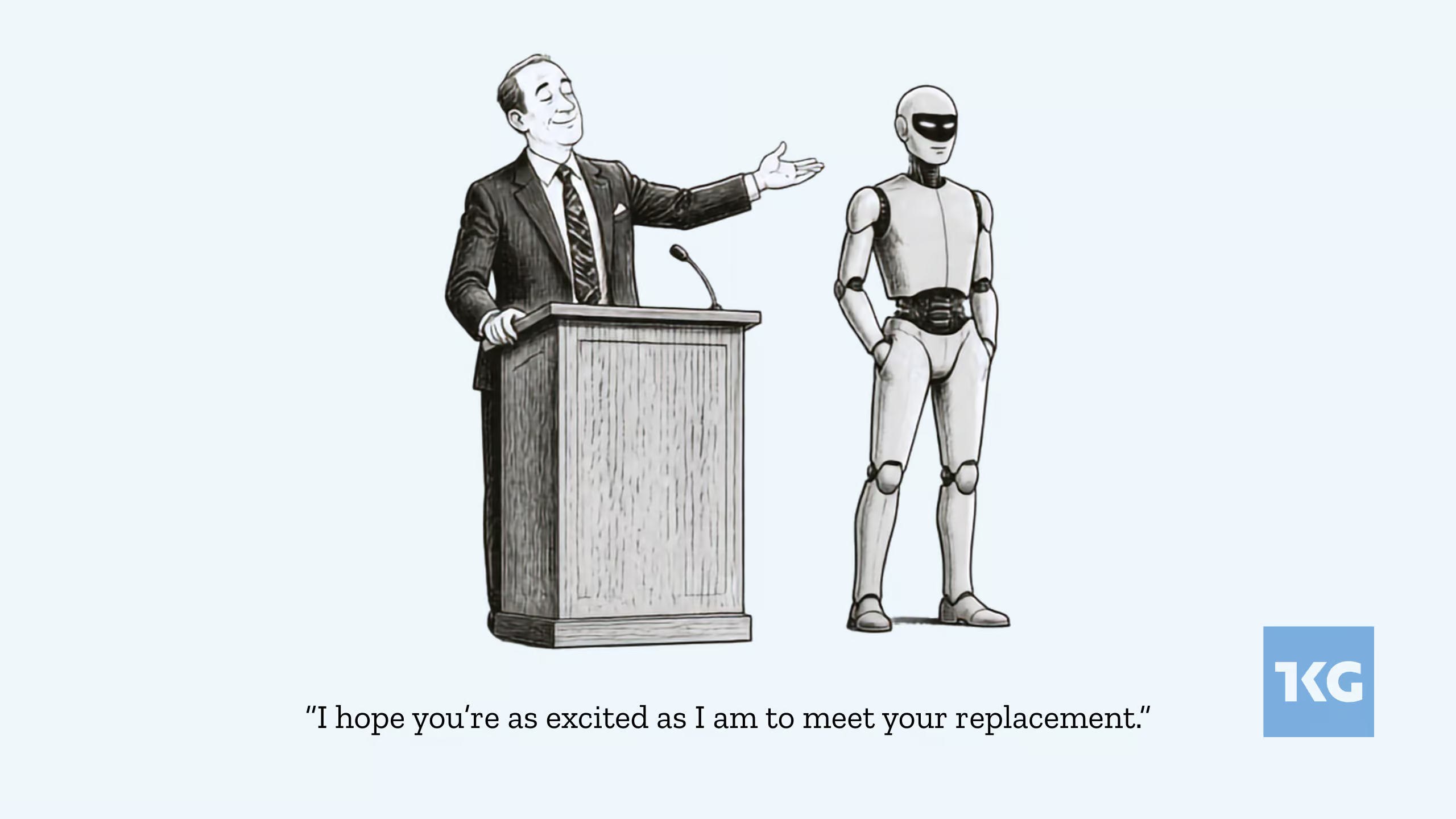
The ironic thing is that AI might come to the rescue of mainstream media.
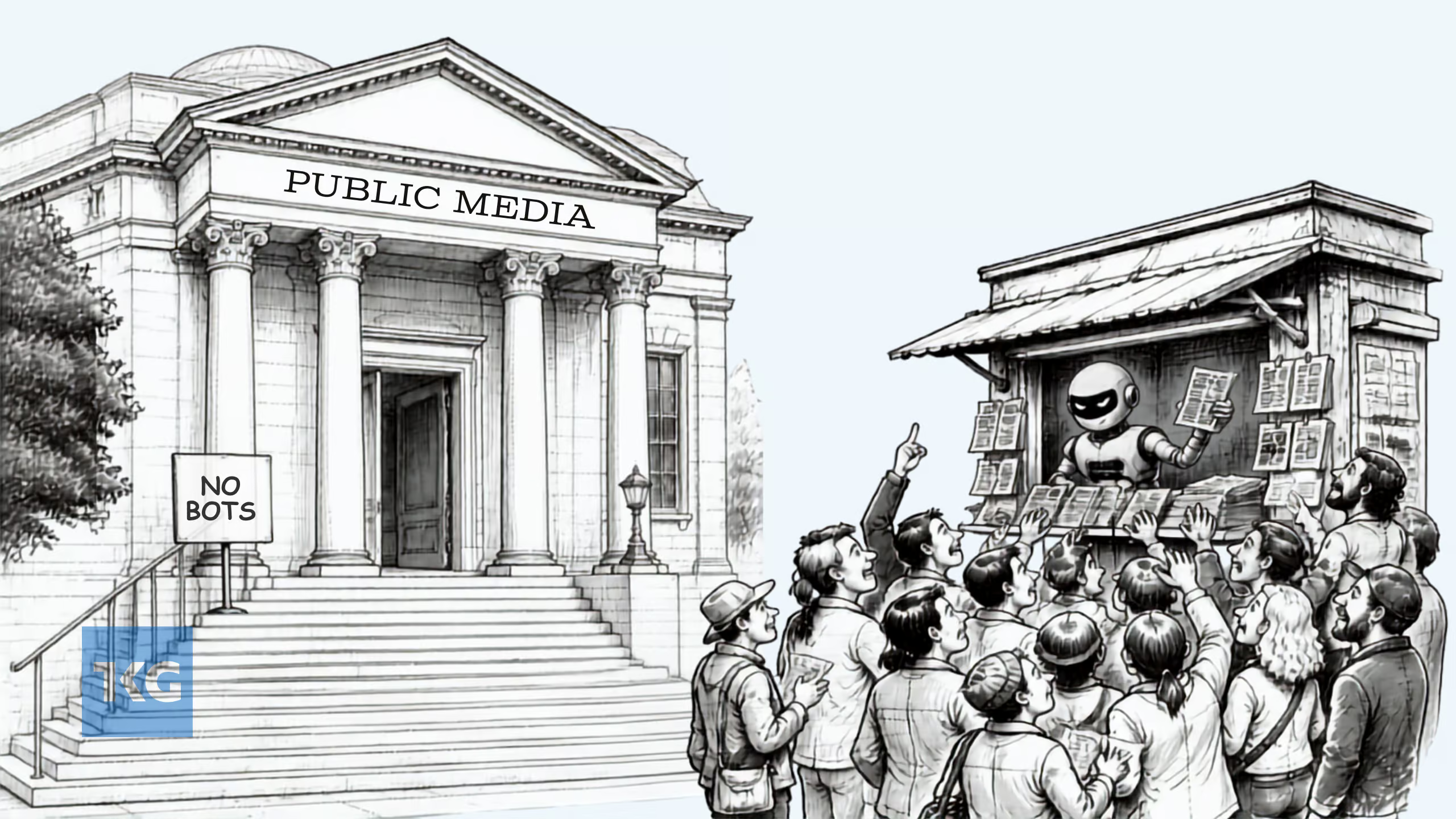
(That is, if mainstream media lets it. A major news source I want to include in my own daily AI scans is effectively taking itself off-air by blocking access to the most-used AI answer agents – looking at you, ABC Australia.)
A recent Meltwater analysis of over 5 million citations across 8 major AI systems found that earned and news sources made up around 40% of sources cited.
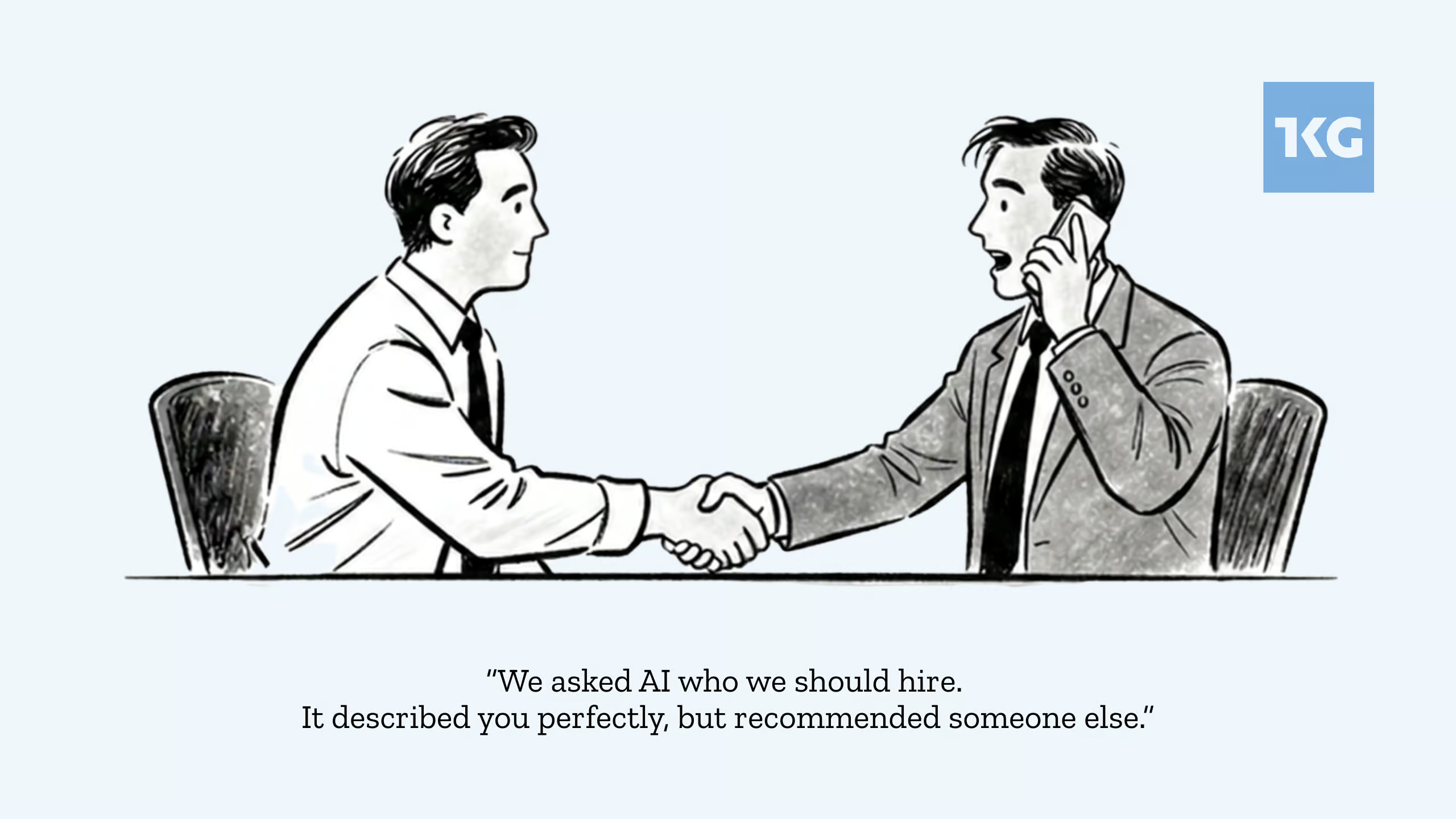
That’s not because AI has a soft spot for journalism. It’s because AI systems prefer what a third party says about you to what you say about yourself, and mainstream news outlets provide a large, well-structured, heavily-crawled category of third-party coverage.
Which means media coverage still has a point. It’s just a different one than it used to be.
Media coverage used to be a way of getting in front of that media outlet’s audience. Increasingly, it’s a way of getting in front of AI agents so they can use the coverage to answer questions.
But can we measure it?
Not easily. But we never could in the days of mainstream media dominance, if we’re honest about it.
We used to use circulation and audience numbers, column inches, advertising value equivalency and a range of other metrics to measure coverage. But they were always estimates based on proxies, at best.
We measured them because we could, but they measured outputs (media coverage), not outcomes (awareness and behaviour change).
Digital media gave us better metrics to measure – like views, clicks, conversions – but AI answer engines are making most of them obsolete because there’s no click, no session, and no referral.
So mainstream media coverage still has a point, but it no longer has an easy number to measure its value.